

Working night shifts can feel like operating in a different universe—one where time blurs, focus slips, and even simple decisions start to feel heavier than they should. If you’ve ever caught yourself rereading the same line three times or double-checking something you know you already did, you’ve met the quiet trio of brain fog, decision fatigue, and micro-errors.
The good news? Mental sharpness during long night shifts isn’t just luck—it’s something you can actively build and protect.
Why Mental Sharpness Drops at Night
Your brain isn’t broken; it’s just out of sync.
Humans are wired to be alert during daylight. When you’re working through the night, your circadian rhythm is essentially whispering, “We should be asleep right now.” This mismatch can lead to:
Slower reaction times
Reduced concentration
Increased likelihood of small mistakes
Mental fatigue building faster than usual
Left unchecked, these can stack up into bigger issues, especially in high-responsibility roles.
The Real Cost of Brain Fog on Shift
Brain fog isn’t just an annoyance, it’s a performance killer.
It shows up as:
Forgetting routine steps
Struggling to process information quickly
Making small but costly errors
Feeling mentally “checked out”
In fast-paced or safety-critical environments, staying mentally sharp isn’t optional—it’s essential.
5 Practical Ways to Stay Mentally Sharp
1. Control Your Light Exposure
Light is your brain’s on/off switch.
Use bright, cool-toned light during your shift to signal alertness
Reduce light exposure toward the end of your shift to prepare for sleep
Even small adjustments here can noticeably improve focus.
2. Eat for Clarity, Not Just Energy
Heavy meals can drag your brain into slow motion.
Instead:
Prioritize lighter, balanced meals
Include protein and healthy fats for sustained energy
Avoid sugar-heavy snacks that lead to crashes
Think steady fuel, not fireworks.
3. Hydration = Brain Function
Even mild dehydration can affect concentration.
Keep water nearby and sip consistently. If your focus is slipping, hydration is one of the fastest fixes.
4. Use Strategic Movement
Sitting still for hours dulls mental sharpness.
Take short movement breaks
Stretch or walk briefly
Get your blood flowing
A quick reset can bring your brain back online surprisingly fast.
5. Support Cognitive Performance Intentionally
Sometimes, good habits need backup.
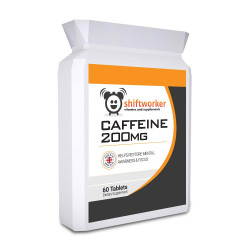
Some workers also layer in targeted nootropic blends to keep reaction time crisp during the final hours of a shift. When used alongside solid routines, these can help support focus, clarity, and mental endurance when your body would rather power down.
If you’re looking to explore options designed specifically for shift workers, you can find more at
???? https://shiftworkernutrition.com/
Build a “Sharpness Routine”
The real advantage comes from consistency.
Instead of reacting to fatigue, build a repeatable system:
Start your shift with light exposure and proper nutrition
Maintain hydration and movement throughout
Add cognitive support where needed
Wind down intentionally post-shift
Over time, this becomes automatic—and your brain follows suit.
Final Thoughts
Staying mentally sharp during long night shifts isn’t about pushing harder; it’s about working smarter with your body.
When you understand what’s happening behind the scenes and give your brain the right support, those long hours become far more manageable—and far less foggy.
Clarity, focus, and control aren’t out of reach… even at 3AM.
Related Products
Leave a Comment