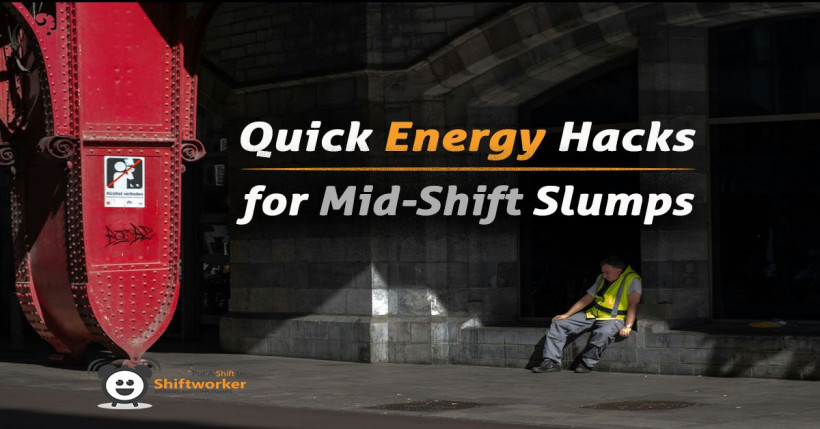
The mid-shift slump can arrive suddenly: heavy eyes, slower reactions and a strong pull towards sugar or another coffee. A few quick resets can help, especially if you use them before the slump gets too deep.
These ideas are deliberately simple. They are for real breaks, short pauses and busy shifts where you need practical options fast.
Get Into Brighter Light
If your role allows it, move into a brighter area for a few minutes. Light is one of the strongest cues for alertness, so a well-lit break room can feel more useful than scrolling in a dim corner.
Move For Three Minutes
Try a brisk walk, stairs, shoulder rolls, calf raises or gentle mobility work. You are not trying to train hard during the shift; you are interrupting stillness and waking the body up.
Drink Water First
Before you reach for another stimulant, drink some water. Tiredness can feel worse when you are dehydrated, and many shift workers go hours without noticing they have barely drunk anything.
Choose A Snack That Lasts
A sugary snack can give a quick lift followed by another dip. Try pairing carbohydrate with protein or fibre instead.
- Fruit with yoghurt
- Wholegrain toast or crackers with eggs, cheese or hummus
- Nuts and a banana
- Soup or leftovers if you have a longer break
Use Caffeine With A Cut-Off
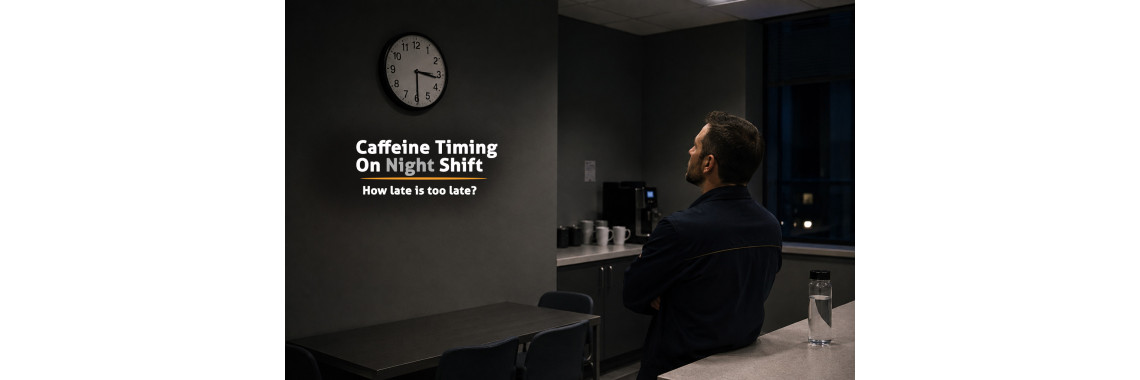
Caffeine may help alertness for a short period, but late use can make post-shift sleep harder. If you use Caffeine 200 mg, plan the timing and avoid adding it on top of several coffees or energy drinks.
Change The Task If You Can
When possible, swap from a passive task to a more active one, or use a checklist for repetitive work. If you are in a safety-critical role and feel dangerously tired, follow workplace fatigue procedures rather than trying to push through alone.
Build A Repeatable Slump Plan
Notice when the dip usually happens and prepare for it. A planned break, bottle of water, suitable snack and earlier caffeine timing work better than improvising when you are already exhausted.
For a fuller strategy, read How to Stay Awake on Night Shift Without Crashing and How to Stay Mentally Sharp During Long Night Shifts.