Long shifts can drain you slowly. Energy drops often come from a mix of poor sleep, long gaps between meals, dehydration, low light and too much time spent sitting or standing in one position. A better plan is steady rather than dramatic.
These practical steps are designed for shift workers who need to stay clear-headed during long hours without relying on constant sugar or caffeine.
Start With A Balanced Meal
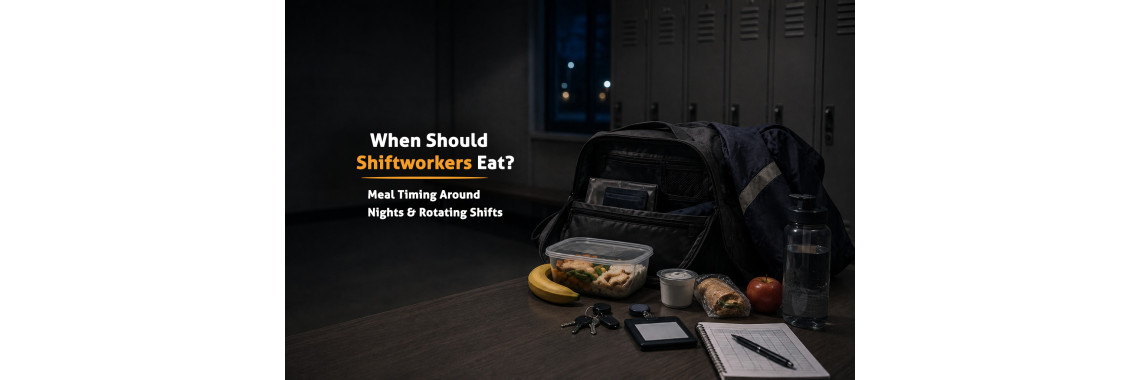
Before a long shift, aim for a meal that combines protein, slow-release carbohydrate and some healthy fats. Eggs on toast, chicken and rice, yoghurt with oats, or a bean and vegetable wrap are all simple options.
During the shift, smaller planned snacks can be easier than one heavy meal. Fruit, yoghurt, nuts, sandwiches, soup or leftovers can help keep energy more even.
Time Caffeine Instead Of Chasing Fatigue
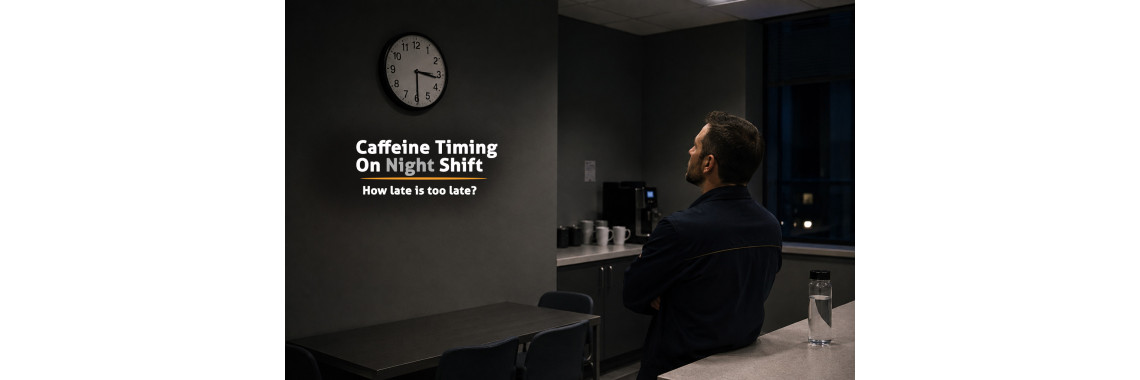
Caffeine may support alertness for a short period, but it works best when you plan it. Use it before your usual dip rather than waiting until you are already struggling, and avoid taking it too close to your planned sleep.
If you prefer a measured option, Caffeine 200 mg may fit some routines. Follow the label and avoid stacking it with several coffees or energy drinks.
Hydration Is Not Optional
Keep water within reach and drink regularly. If plain water gets boring, try sugar-free squash, sparkling water or herbal tea. Try not to let coffee become your only fluid during the shift.
Use Movement As A Reset
A short walk, a stretch or a few minutes away from the same posture can help you feel more awake. Build movement into breaks before the slump hits, especially on shifts where you repeat the same task for hours.
Think About Daylight And Vitamin D
Shift workers may spend less time outdoors in daylight, especially in winter. NHS advice says adults should consider a daily vitamin D supplement during autumn and winter, and some people with limited sun exposure may need to consider it year-round.
Vitamin D3 1000 IU may be relevant if daylight is limited, but it should sit alongside a balanced diet and sensible sunlight exposure where possible.
Protect Recovery After The Shift
Energy during a long shift depends on recovery afterwards. A dark room, a consistent wind-down routine and avoiding late stimulants can make the next shift easier. For more detail, see How to Sleep Better Between Night Shifts.
Final Thought
Staying energised during long hours is about reducing the size of the dips. Eat before you crash, drink before you feel dehydrated, move before you feel stiff and use caffeine with a plan.